Monkey Mind, Monkey Run

I’ve been thinking all week about external validation, beyond the likes and blog comments and more into  (what I used to believe was) my non-digital life. Most days I struggle to walk away from my keyboard. After all, that’s where my livelihood (such as it currently is) resides—writing, school, job applications. To counteract all of this screen time, I’ve been trying to push away and spend at least an hour each day running. I was on the massage table the other day, telling my massage therapist about my last blog, recounting for her how I thought that running so much these past two months had significantly calmed my annoying physical symptoms of the past year. I told her how good it was for me to spend that hour each day away from the computer screen and out of my head. Then I mentioned in that offhanded manner that so often carries the weight of truth that I run with my iPhone because my phone is where my Nike app lives along with my running music and my Fitbit app.

“So, you’re not really getting away from the external validation,” she noted.

“I don’t answer the phone and I don’t check my blog stats when I run,” I said, a little miffed, before adding, “Usually.” Slowly I began to see her point.

As I run through the miles, my iPhone via the Nike app, tells me how far I’ve run and at what pace.  My Fitbit vibrates when I hit 10,000 steps for the day (generally by the time I’m done with my daily run). I listen to a playlist of music and when Florence and the Machine comes on with Dog Days, I know that I’m nearing the two mile mark and that about 20 minutes—give or take half a minute—have gone by. I know then I have about 30 minutes left. I know the first of the Lady Gaga songs come on around mile four, and I know that if I’m still running when The Band starts playing that I’m closing in on mile five. I know if I’m running better than I did the day before. Hell, I even know if I’m running better (or worse) than the average of my last seven runs. On good days when I’ve finished running and before I stretch, I’ll even post my run results to Facebook with a comment along the lines of “nailed it bitches!”

“What would happen if you ran without your phone?” the massage therapist asked me and then answered her own question. “You’d be able to hear the birds.”

“I’d just hear myself huffing and wheezing,” I countered. “And I’d lose miles. My averages would plummet.” As soon as I uttered those words I knew I had a problem, or, in the parlance of the mindful and aware, I knew I had something I might want to pay attention to, something to look at.

She laughed when I said I’d lose miles. Absurd, right? Of course I wouldn’t be losing the miles—my body, my health would still benefit, clearly. But would I be able to tolerate not documenting my progress? Would I be able to derive the same pleasure from running if I couldn’t compare today’s run with yesterday’s?  And how would it be to run without music? Would I be faster or slower? Could I stand to listen to just my own heavy breathing? I’m not sure I can. I’m not even sure if I want to, but I’m interested in taking a closer look at the whys of the situation. I’m interested in noticing.

I’m interested in noticing because when I pay attention, I can begin to make more conscious choices about this one life I’ve been allotted. On the surface these choices seem trivial: whether I run with or without music, with or without digital feedback on my performance, with or without compiling and parsing each mile. But are they really insignificant or are they indicative of a larger problem? Even as I type this piece I can’t refrain from flipping back to the Internet, to Facebook, to my email. I cannot focus just on this bit of writing for any sustained period. I don’t know if my monkey mind is getting worse or I’m just noticing it more, but I’m beginning to worry that I’m not paying close enough attention in other areas of my life, that being easily distracted could be taking a toll on my relationship and my career (or lack thereof), on my desire to be a writer. Is this inability to focus on just one thing at a time without soliciting feedback and validation getting in my way?

For one of the psychology classes I’m taking this quarter, I had to read about and then write a page and a half paper on BF Skinner—I had to pick out my favorite theory of his, write a paragraph on said theory and then find a related online source to write about that had to do with my favorite Skinner theory. I started this exercise thinking I wasn’t a big fan of Skinner—I think (or used to think) that behaviorism was reductionist and limiting. After all, behavior modification techniques did not work at all when I tried to use them on my kids. My kids could give a flying fuck if they got a gold star on a refrigerator chart. I came out of my active parenting years with the firm belief that nature will always triumph over nurture. But, a funny thing happened on the way to writing my Skinner paper—I started connecting the dots. Duh. I remembered a book I had purchased but only partially read a few years ago, Nicholas Carr’s The Shallows: What the Internet is Doing to Our Brains. I looked Mr. Carr up on youtube and listened to him read from and discuss his book at the Harvard University bookstore.

If Carr is correct (and I do believe he is), the Internet really is changing the way our brains work. My brain has been changed to actually need to push the levers at Twitter and Facebook, to peck away at my email icon. All of this screen time is rewiring my grey matter, new neural pathways are being formed based on Skinner’s Operant Conditioning theory. I have been trained to push the levers just like the lab rats. Nike and Fitbit, Apple, Facebook, Twitter, WordPress, Google are delivering enough random little doses of oxytocin to keep me coming back for more.

Now that I have this awareness, what am I to do? Initially, I’ve decided to just be aware, to simply notice (is it obvious yet that I’m taking a mindfulness class?). When do I press the levers? What distracts me? Do I feel better or worse if I stop writing and check an empty inbox? What do those Facebook likes and new Twitter followers mean to me? Does my self worth rise and fall with my stats? Why? And maybe most importantly, am I engaged in meaningful and purposeful relationships outside of these places? Am I moving forward, toward my goals for the next year, the next five years?

This afternoon I thought briefly about leaving my phone and earbuds behind when I headed out for my run. After all, I knew the run from my front door to Boulevard Park and back again is just over five miles. I don’t need iTunes to mark my distance. But, I do know that I seem to be in a running groove right now that works for me. I am aware enough to know I don’t want to fix something that’s not broken. I’m getting fit. My pants are getting looser. My body feels great. I LIKE having Macklemore, JayZ, and Rhianna in my head. Screw the birds–S & M motivates me. Today I chose to run with the technology in place. Tomorrow I may decide differently. Tonight I will decide if I want to read a book or spend my time before sleep anxiously checking online stats. I’m leaning toward the book. I’ll let you know what actually happens.

My Drug and My Vice

Feedback hits my veins
Smack for my ego, mainlined
I close my eyes, sigh

I wrote this haiku over the weekend, fueled as I was then by a steady stream of positive feedback for my writing and after a really great response to the Whatcom Writes reading on Sunday. But like any good addict knows, that euphoric feeling fades fast without a continual infusion.

I managed to ride the wave for most of the week, getting by on a steady stream of Facebook likes and occasional comments, but on Friday I hit bottom.  Two months ago I sent out some queries to a handful of agents and within days one agent requested I send sample chapters of my memoir. This is it, I thought. I’m golden. I worked feverishly for a week to put some high polish on a few of the better chapters and sent them off into the ether. I tried hard to stay in the moment but really, who among us writers doesn’t live at least part of the time on that fantasy book tour? On the bestseller list in our own heads? I’m a legend, if only in my own little monkey mind.

Things came crashing back to earth for me on Friday when the agent got back to me with a kind and generous email indicating that perhaps my pages aren’t quite ready for primetime. Honestly, I can’t say that I wasn’t expecting this—I know the odds. We all do, when we sit down and dare to think we have a hope of seeing our words in print. The statistics are depressing, but still, we dream.

This crash, this bursting of my ego and the view from down here at the bottom set me to thinking about how fortunate we are now, though, as writers. We have an audience if we want one. We don’t have to toil in obscurity—relative obscurity, maybe, but not completely. We have communities that welcome our imperfect work, places where we can get our hits and fixes, venues even if they are of our own making.

I started wondering, though. What was it like as a writer to wait months and months for feedback on a piece of writing? Or to not get any at all? Imagine—writing something, spending a few hours, or weeks, months, years, on a piece and then just . . . doing what with it, exactly? Sending it to an agent or publisher and then waiting for a single letter to come by post. No instant gratification. No thumbs up or down within minutes. I suppose after a week or so trips to the mailbox might become something like obsessively checking Facebook within a few minutes of posting a particularly witty comment or status update. The worn path to the mailbox might have been a little like the iPhone-shaped silhouette on my back pocket—there because I want easy access to my inbox, the ability to quickly check my blog stats. My self-esteem rises and falls with the number of hits I get.

All of which leads me to ponder just how healthy it is, this continual trickle of sporadic feedback and my incessant need to check in on it. On the one hand, when the stream dries up a bit, we can just post something new. On the other hand, why? What’s my motivation? To continue the high or to hone my craft? I’ve been reading about B.F. Skinner and the behaviorists, operant conditioning—the key to operant conditioning is the immediate reinforcement of a response. Suffice it to say, I’ve been thoroughly conditioned by variable reinforcement. I feel a bit like a used lab rat, and the unpredictable rewards are messing with my monkey mind.  One day there might be these beautiful little gifts waiting when I press that lever, other days there’s nothing. Does the nothing keep me from pressing the lever? No it does not. The nothing makes me press the lever even more—there must be some mistake! Where’s my feedback? My next hit? I need my fix!

So. I enroll in a mindfulness class. I employ hypnotherapy and guided imagery. I run. I run and run and run. They say the endorphins produce a natural high. It doesn’t really compare, but there are 30, 40, 50 minutes a day where I’m away from the lever at least. And I’m getting healthier as a side benefit. I’m not sure I want to give up the drug, the high, the next hit long term, but I’m trying to get better at living in the moment and focusing on writing just because.

Oh hell. No I’m not. If I were, I’d not be posting this damn blog.  Hit me baby. Just one more time.

My Life in 17 Syllables

**disclaimer:  I’ve spent the last two hours trying to format this freaking post. I give up. It is what it is**

At the beginning of January, I accepted an invitation to join a Facebook Group, the premise of which is that each member will write one haiku a day for the year. Since leaving my job in late summer, I’ve been struggling to put words to paper (or computer), so I joined this group with two thoughts: the accountability and peer pressure would be good for me (not that anything untoward would happen if I didn’t perform), and surely I could manage 17 syllables a day. If I couldn’t manage three lines, then maybe I needed to reconsider this whole writing gig.

So, January 1 being what it is, the first day of resolutions, I set out to meet two of mine: a haiku and healthier eating. The two goals collided into this:

 
First resolution 
Fails Rice Krispies taste icky
With coconut milk
 
Not deathless poesy, but good enough for a couple of LOLs in the comments section. At first I felt kind of bad because some of the haikus were awesome and heartfelt—I thought maybe I was playing a little too fast and loose with my allotted syllables. I persevered nonetheless, and as the days passed, I really started looking forward to not only posting my own creations but to reading other members’ haikus. Each day felt like a treasure hunt, each little poem, a gift, a bit of insight into lives I hardly knew, and some I didn’t know at all, reflections from around the world on death, politics, weather, climate, gardens, families, words (always on words), jobs, teaching, writing, and lots and lots of snow.

My own haikus began to reflect what was going on in my life, from the simple things like travel:

 
Pesky roundabouts
Gordian knots of travel
Complicate my drive
 

To the more complex emotions that I couldn’t otherwise articulate (and that make The Little Woman slightly crazy—because she truly wants to understand the creative, writer me and make me feel less anxious): 

The wanting, a bloom
Like ripples across the pond
Mysterious ache

I started doing body work, massage and acupuncture and physical therapy in search of ways to lessen my anxiety and annoying/mysterious physical symptoms I’ve been having since last spring, which led to haikus like these:

Poetry loosens
the tight place in my center
a deep word massage
 
Knead me with language
Releasing tightly coiled,
Naked emotions

(and this one, when my massage therapist returned from a trip to India):

Massage therapist
Returned from enlightenment
Lay your hands on me!
 

There have been haikus as a result of therapy and hypnotherapy sessions as I’ve struggled to come to grips with the new course my life seems to be taking—or as I’ve tried to take some control of my life as I contemplate changing careers:

 
Face my face. Reflect.
Self love trapped in the mirror.
Eyes see naked fear.
 
Trust Occam’s Razor
That’s right. The simple answer
Is likely correct.
 

Haikus as I’ve wrestled with self-doubt: 

Invisible girl
Becomes an opaque woman
Turn toward the light
 
Spinning syllables
Like so many sticky strands
snaring self esteem
 
Face down my deep fear 
breathe deeply, write word, word, word
sentence, paragraph
 

And more on writing:

words, flat black squiggles
unequal to the challenge
litter my pages
 
writing: like pulling
quarters from your ears or like
your head from your ass?
 
strings of syllables
strung across the abacus
clacking back and forth 

There are clusters of 17 syllables about family:

 
Visiting Mother
Our past. My future. Her womb.
Cord blood, still tethered
 
Freshly cut cedar
Takes me back to childhood
Dad mom brother me

And then there are those that I can’t explain—the ones that come as I’m deep in thought pondering images and metaphors and playing with words. Some of these are my favorites, though if pressed to explain them, I don’t think I could, and that’s what I love about this process—I don’t know what is going to show up day to day, but every day I get something:

Words like locks tumbling
Falling into place just so
Speak the key to me
 
This rucksack’s stuffed with
IOUs and promises—
words, my currency
 
Play me for a fool
Or like a Spanish guitar
My heart strings, your song
 

And everyday, I am excited to see what others in the Haiku Room have posted—to read, 17 syllables at a time, what we are all making of this journey:

 Sunday morning mass
in the haiku room, poems
our catechism

This is a place I can worship. Like one of the group members commented when I posted the haiku above:

Oh, this filled my heart with joy! And it reminded me of one of my favorite Hafiz quote: “The great religions are the ships. Poets the life boats. Every sane person I know has jumped overboard.”

Posted By Blogger to Putting on My Big Girl Panties at 2/04/2014 11:41:00 PM

Makeup Beauty Doll and Other Problems with White Privilege

Many years ago, flummoxed by the joys and perils of raising two non-white children in our predominantly white culture, I wrote an essay expressing my doubts and fears, and (surprising to me now) my certainties (you will recognize them when you see them). Some of what I wrote makes sense and some of it clearly needs rethinking. Yesterday on the day we celebrate Martin Luther King, Jr., my eldest daughter, now 23, texted me (this is how we communicate these days). She was wondering if I thought it odd that the company for which she now works didn’t celebrate the national holiday. I do find it odd, odd that only governments and banks shut down on this Monday when the world grinds to a halt, more or less, for other national holidays: Christmas, Thanksgiving, Memorial Day, the 4th of July.

My initial response to her was yes, MLK day is like Veterans’ Day or Presidents’ Day—national holidays that go unobserved by most businesses in the name of productivity and profit. She replied that businesses should do more to honor a man who inspired the policies so many companies tout when they brag about being diverse and multicultural. I agreed.

I dug up that essay and I emailed it to my daughter yesterday. We had an enlightening and informative (for me at least—I can’t speak for her) email exchange about White Privilege after she read this. She asked if I’d ever blogged about the subject. I haven’t. I’ve been fairly quiet about it over the years. Why? Fear. Fear of offending someone, fear that I didn’t know enough about the “issues,” that I hadn’t read enough, studied enough, experienced enough. I thought overnight about this fear and I’ve decided that if someone is offended by me writing about my experience, then they are missing my point. I also decided I haven’t talked or written enough about race, in spite of the fact that I helped raise two African-American children. (Point of clarification—Anna, my eldest is mixed race—Native American, African-American, white; Taylor is African-American). Maybe it’s not too late. So, I am posting my long ago essay publicly for the first time—I’ve revised it some for clarity but mostly this is as I wrote it 18 years ago. Here it is:

Last week my daughter’s preschool teacher asked me if I’d talked with her about discrimination. I haven’t. But I’ve been thinking about it a lot lately. What do you call the adopted multiracial child of white lesbians? I don’t know, but I’m sure as the years pass us by we’ll learn more than we care to know. I told the teacher that our family had discussed variations in skin color and the many other ways in which people are different and alike. How to explain discrimination based on skin color to a five-year old?Halloween 1994

Our oldest daughter carries an acute awareness of her skin color. She knows that her skin is much darker than ours. She also knows that her little sister’s skin is darker than her own. “I have browner skin than you, but Taylor has the darkest skin, right?” She’s been known to ask this question on more than one occasion. And when we brought her baby sister home, Anna unwrapped her, peered beneath the baby blanket and with some relief announced, “Oh good, she has brown skin, just like me.” She knows which kids in her daycare have brown skin, though ethnicity is an elusive concept. For her, the world is comprised of people with varying shades of brown skin—from very dark brown (like her sister) to not brown at all except for little brown spots (freckled, like mine)—and people with porcelain white skin and long blonde hair.

I had no idea how deeply children internalize societal messages until we began dealing with what, in our house, has become “the hair thing.” Anna’s hair is a crop of silky brown ringlets, which we have, until recently, kept short for the sake of simplicity. Imagine my surprise when, after we agreed to let her grow it out, she expressed her delight at the prospect of finally having straight hair. She was shocked to learn that her hair might grow long, it would not grow straight.

I’ve read The Bluest Eye. I know the world bombards our children with images of white babies, white Barbie Dolls, white Make Up Beauty dolls, and I know that I too eagerly try to overcompensate at times, for this deluge. This year for the first time, Anna knew early and consistently what she wanted for Christmas:  a pogo stick, a computer, and a Makeup Beauty Doll (which really is just a head with hair). Being the sensitive, aware, and hip parents that we are, we bought her the African-American version of Makeup Beauty, basically the white doll painted brown with straight brown hair instead of straight blonde hair. These details were not lost on Anna. Her face lit up as Santa handed her a box just the right shape for the coveted Makeup Beauty, but the excitement faded quickly into disappointment when she pulled the brown doll from the box. Anna suffers our political correctness with a sigh and a roll of her eyes, but she knows that Makeup Beauty is supposed to be white. After all, she told us, the make up only shows up on white skin. She has a veritable rainbow selection of Barbies residing with her African-American Cabbage Patch Doll, her Black Raggedy Ann and Andy dolls, but she only plays with the white ones.

So, how do we talk with her about discrimination? There’s color awareness, and there is discrimination or prejudice based on difference. How does the five-year-old mind wrap itself around that one? Is Anna being excluded at school because of her skin color? Are teachers, parents, workers excluding her or making decisions based on stereotypes? Anna’s teacher gave me a book for kids about discrimination, Black Like Kyra, White Like Me, that is full of stereotypes. Kyra lives in a violent section of the city. She meets her white friend at the Youth Center. To escape the violence, Kyra’s parents move to a predominantly white section of town and encounter nothing but resistance, violence, and harassment. The message, it seems, is that people of color live in places that need escaping from, but the white people don’t exactly roll out the welcome wagon in the desirable neighborhoods. And I should share this information with my five-year old? Where is the line between preparing a child to meet challenges and adversity and raising a child to expect conflict and harassment?

Right or wrong, the one feature by which my children will always be judged in this country is their skin color. Before strangers know Anna and Taylor have two moms, before anyone knows their socioeconomic status, their spiritual convictions, their occupations, my children will be judged as other than white. The content of their characters will come later. The question is, do I teach them to expect this judgment as inevitable? Do I read them books in which people of color are run out of white neighborhoods? Do I tell them that one day they may not be invited over to play at a friend’s house because they are African-American, Native American, multi-racial, obviously different?

Or do I teach them about respect, about the value of difference and diversity, about some people’s narrow mindedness. Do I teach them to expect acceptance if that is what they offer? And if I teach them these things, what will I say the first time one of them encounters a racial slur or rejection simply because of their skin color? A great gulf exists between my experiences and what my children will encounter. I cannot be naïve and pretend it won’t happen, because it already has. I expect discrimination and prejudice will continue to find their ways into our lives in more potent measure than they have thus far.

Tired of the Hate

Is it me or are we already done with the season of love and peace? The first two things I read online this morning have upset my delicate sensibilities, Dear Reader. First, a tweet from @JoeMyGod about a group of people who are boycotting the Rose Parade because a wedding float will feature a gay couple. The second, the comments section following an article on komonews.com about the Catholic school vice principal fired for his same sex marriage.
I clicked through to the Facebook link on the Rose Parade—evidently a gay couple won the Dreams Come True contest and the prize is getting married on the giant cake-shaped float in the venerated parade. More details can be found here. I found a page filled with hateful, ignorant comments about how witnessing two men getting married would irreparably harm children. I have to say I was stunned. I mean, yes, I know that not everyone is thrilled with same sex marriage, but I have been living in a bit of a bubble, I guess. The hate and fear and ignorance, the vitriol and anger shocked me. I posted a comment on the page, just a few words letting them know that I was sure Jesus would be so proud of their hate and bile. I think we all need to visit the site and show them that hate won’t win.
That small act made me feel a tiny bit better but for a moment I was beset by anxiety and dread, that feeling of futility that I often get spread across my chest. I then realized that my FB picture is of The Little Woman and me holding our marriage license and I had to smile. I fought back my urge to delete my comment, to not make waves.
I poured myself a cup of coffee and settled myself in front of the Pin Stripe Bowl, picked up my laptop and logged on to www.komonews.com to catch up on local news. My eyes caught the headline announcing that the vice principal of Eastside Catholic High School was fired and had not resigned as the church said last week. I clicked. Call me a sucker for the obvious. The article confirmed what I’d already suspected—Mark Zmuda had been forced out for marrying his male partner. The article was benign enough, but the comments section . . . why oh why did I feel the need to read the comments? More hate and ignorance.
I understand that Mr. Zmuda worked at a Catholic school and that his being gay flies in the face of some Catholic teachings, but the hypocrisy is killing me. How many Catholic school teachers live “in sin” with their heterosexual lovers? How many Catholic school teachers use birth control? How many Catholic school teachers have had abortions? How many of these teachers have been forced out of their jobs? And lets not forget the hundreds or thousands of priests who continued in their positions in spite of having sexually molested thousands of children. Mr. Zmuda’s being gay has absolutely no bearing whatsoever on his ability to do his job, to teach math. Mr. Zmuda did nothing wrong, he committed no crime. He simply let down his guard and maybe forgot that he worked for a homophobic organization. I can understand his mistake—lots of people who work for the church are decent folks. But the organization itself is not so benign (see my earlier blog here)
Let’s not forget that the Catholic church operates without paying any taxes. It does not pay into unemployment insurance, it does not pay any income tax. As an institution, it collects gazillions of dollars and not one cent of it (except what its employees pay in income tax) goes into the public coffers. Hundreds of non-Catholics and non-believers work for the church, and I’m guessing lots of those workers belong to the LGBTQ community. It seems to me, and call me crazy, that an institution that doesn’t pay taxes should have no right whatsoever to contradict the laws of the land. Same sex marriage is legal. Don’t like it? Tough shit.

We’ve (and by we I mean all LGBQT people) have lived too long in fear of god’s wrath, in fear of other people’s judgment, in fear that we will lose not just our jobs but our very lives. We’ve stood by and watched as heterosexuals celebrated their love in some of the gaudiest and most offensive ways imaginable. We have been marginalized by religious institutions, shunned by those that claim a loving Jesus and god as their masters. It’s a bit hyperbolic that these people believe a single float in the Rose Parade or the same sex marriage of a Catholic math teacher signal the end of civilization, don’t you think? On the other hand, maybe we need an end to this sort of civilization—maybe the end of civilization as we know it is not a bad thing at all.

Indulging in Nostalgia

The tightness in my chest begins
A pang that travels from my solar plexus
Up my right shoulder
Not over my heart, oddly
It is the pang of loneliness
The pang of invisibility
And it radiates through me while
Tears stream down my face
The tightness in my chest begins
A pang of recognition from my solar plexus
To my groin
Not over my heart, oddly
The pang of knowing
And it radiates through me until
You reach to touch my face
The tightness in my chest begins
To soften
Life is full of dichotomies. We spend our days working our way through them, balancing our lives as we step across the divides that open up in our days. Sometimes there are great chasms—like this week: Utah legalized same sex marriage while a Catholic in Washington State (where same sex marriage has been legal for a year) lost his job for marrying his male partner. Since the push for legalizing same sex marriage began in earnest, I’ve been wrestling with my own complicated feelings around the issue, my own internal dichotomy, a push/pull between recognition and—I don’t know quite what to call it: Privacy? Subversion? Neither word quite works though the two together come close. Maybe what I’m experiencing is the tug between then and now. What used to be and what is. A yearning for the elusive and imagined good old days? The good old days were never as good as we remember them. But, Dear Reader, let me see if I can make myself clear. Indulge me while I indulge in a little nostalgia. Tis the season and all that, right?
A few weeks ago, my massage therapist and I were talking about singing, because my solar plexus is all jammed up. She recommended that I sing loudly to loosen things—I laughed and said I do not sing and she said she didn’t either except lullabies to her babies.  I too sang my children lullabies—we sang anyway, testaments to our mother-love.  This was a tangential and unremarkable enough discussion until she sent me a link to one of the songs she used to sing to her children. I read the lyrics first and something old and familiar tugged in me. I know this song, I thought, and when I clicked the link to a youtube video and heard it, a rush of aged memories washed over me. Memories from way before I had children, memories long dormant. I DID know this song—Cris Williamson singing Like a Ship in the Harbor. I haven’t been able to get it out of my head. It’s a pang, a tingling, an edge of my seat excitement. It is me all those years ago wondering “how did I miss all of this until now?” It is uncertainty and knowing entwined. It’s a feeling that 22 year old me knew well, a feeling full of angst and heartache, joy and discovery, the thrill of having a secret, the excitement of walking that fine line between discovery and being discovered, when I knew things about myself that no one else did.
I remember the first Cris Williamson concert I attended. I was in graduate school, just a baby lesbian, still all pink and new in my skin, and as we all streamed into the college’s performing arts center, I felt the scales fall from my eyes (I had also just recently left fundamentalist christianity, so the biblical reference works quite nicely here) and I finally saw, really saw, that I was not alone. And as I began this journey, out of one life and into another, the music carried me. I lived in a small apartment with two women from my church group while I was exploring my sexuality, discovering the deeply hidden real me, and I played these albums loudly and repeatedly over and over. I played Cris Williamson’s The Changer and The Changed, and I sang along, rising up and spilling over, it’s an endless waterfall. Rising up and spilling over, over all.
I listened for hours and hours as I embraced my sexuality, euphoric after years of wrestling down the demons of homosexuality. Cris and Tret Fure, Meg Christian. These women and their songs initiated me into a world I had not known existed, a subversive and secret world where women loved and sang and wrote about loving each other. A world that no one could know about just by listening. They had to know before they listened.
And I think that is what I miss. Being on that other side of Out, the subversive side, the secret club side. Kate Clinton used to do a bit about being a Stealth Lesbian, flying low under the radar of the patriarchy. Those were the days, as she said so succinctly, that we wouldn’t say the word lesbian even as our mouths were full of one. I miss the excitement of that secret.
Don’t think I’m romanticizing ignorance and fear. I’m not. I don’t want to return to a world where bigots like that A&E entertainer who shall not be named here can spew his hatred and bile without repercussions. I don’t want to live in a world where I have to pretend I am single and living with my roommate or in a world where my children have to be silent about having two moms. We still, to some extent, live enough in that world even now. I still watch my pronoun usage. I still fear being judged. I am happy that I could marry The Little Woman. I am glad I we have all the protections under the law that straight folks have. I am thankful these changes have occurred in my lifetime.
Still. I am aware that nostalgia may be clouding my vision, but there was a camaraderie back then, a sense of we-ness, an us vs. them mentality that wasn’t completely unhealthy, a quiet knowing that I was getting away with something that wasn’t hurting anyone else. And it is not lost on me either, that the jamming up of my solar plexus, this tightening of my diaphragm, might have something to do with all of those years of holding my true self in. After all, flying stealth requires keeping secrets, holding my emotions in check, and, more often than not, holding my breath.
Maybe being out in the fresh and open air is good for me after all and perhaps this is just a very long adjustment period, not unlike coming down from the dangerous peaks in the Himalayas or up from the depths of the ocean. While the world is spectacular from great depths and tremendous heights, we cannot live there. Sometimes though, we long to breathe again in that thin, rarified air.

Sacred Sacrament My Ass

Yesterday Mark Zmuda the vice principal of Eastside Catholic High School was fired for marrying his male partner (you can read about it here), joining dozens of other Catholic employees across the country who have been similarly fired or forced to resign for making their love official. This news, while not surprising or even unexpected in light of the luddite misogynist (who shall remain unnamed here) leading the Seattle Archdiocese, kind of broke my heart. I know that the parents who send their children to this school are not, for the most part, bigots or homophobes. For eight years I worked (as a mostly out lesbian) for a Catholic elementary school that fed directly into ECHS. I loved that job—I loved the people, the families, the community. I wasn’t crazy about the Church as an institution, but hands down it was the best job I’ve had in my career. This in spite of our differences on topics such as birth control, abortion, LGBQT issues, women’s place in the church, and pedophiles. I was able to separate the institution at large from the community in which I worked.
The job was so good, in fact, that when a change in administration occurred and I learned my boss would be leaving, I looked within the archdiocese for another position. Five years ago I was offered a job at Eastside by an administration that was quite familiar with my lesbian status. (Ultimately, I declined the job offer for reasons completely unrelated). It doesn’t take much to connect the dots between my wedding this past weekend and the “there but for the grace of the universe, go I” feeling that swam uncomfortably in me yesterday afternoon and into the evening. I even woke up feeling nauseated by the whole thing this morning.
So what gives? Why this guy? Why now when the Catholic Church seems to be crawling out of its hole and into the 21st century with Pope Francis? As my good friend and former boss pointed out yesterday, it doesn’t matter what is happening in Rome. The henchmen installed by Pope Benedict are still in control. The church isn’t going to turn on a dime, if indeed it will turn at all. Good people are still going to lose their jobs because some Catholics are still wedded to doctrines like The Baltimore Catechisminstead of the gospels. They’ve forgotten all about being true Christians, ignoring Christ’s own words about love and compassion. Here are a few bible verses I remember from my church going youth:
Matthew 7:1—Judge not, lest you be judged.
Matthew 7:5— You hypocrite, first take the log out of your own eye, and then you will see clearly to take the speck out of your brother’s eye
Luke 6:31—Do unto others as you would have them do unto you
1 Corinthians 13:13— And now these three remain: faith, hope and love. But the greatest of these is love.
The church owes its very existence to the gospels, but because of its status as religious institution, it (and by extension its schools) is not compelled to pay into programs that other employers are required by law to pay into: unemployment, COBRA, OSHA. So, Mr. Zmuda who was fired for participating in one of the Catholic Church’s seven sacraments, Marriage, will not be receiving an unemployment check next week. He will not be offered to continue his healthcare insurance through COBRA. He has no safety net.
Since leaving the employ of the Catholics, I’ve become a much more strident non-believer. My atheism springs from an inability to reconcile the hypocrisy of the church, and not just the Catholic Church, but most churches. The whole do as I say, not as I do sort of theology has poisoned organized religion. The gospels urge care for the sick and the poor, and the Catholics even have a social teaching to that effect, but the church continues to flaunt its wealth while vast majority of its members live in abject poverty. When I worked for the Catholic elementary school not only did none of the employees qualify for COBRA or unemployment, but healthcare did not include birth control. Even women in menopause who needed to go on the pill for reasons unrelated to contraception had to get notes from their doctors stating as much.
For an institution that holds the Holy Mother in such lofty regard, it treats the rest of the world’s women with utter contempt, from the nuns to third world women to women who want to enter the priesthood. But, I guess that makes sense given that the Holy Mother is such a bundle of nonsense: virgin mother. Right. Inseminated by God. Right. No earthly woman could ever achieve what this mythical creature did.
And don’t even get me started on the pedophile issue. To articulate my thoughts on that issue will require an entire series of blogs.
What I am trying to say is that I am sad and furious. Sad because good people are being fooled into complacency, people like Mr. Zmuda who felt safe enough in his role at Eastside Catholic High School to come out to his coworkers about his marriage. People like me who thought I could be an exception if I just behaved myself and kept my mouth shut. Furious because we continue to let our rules and laws and lives be dictated by an ancient and cruel institution that clearly has no regard for real human life. How long will we allow ourselves to be lulled into complacency by those who will try to tell us “it’s not the people, it’s the institution.” The people are the institution, dammit. We need to stop fooling ourselves.

When Words Fail Me: My Writing, My Wedding

Sometimes the pressure to write builds up inside of me and it is so huge that I feel like I am going to explode. Someday The Little Woman may come home to find bits of me all over the house, word bits, words that built up and couldn’t find their way out of me. There will be a preponderance of prepositions and a truckload of nouns, verb carnage all over the kitchen, and gerunds on the ground (hey, that rhymed!). Adverbs and those nasty words that end in –ly will litter the walls, pronouns and random punctuation marks will be sprayed around.
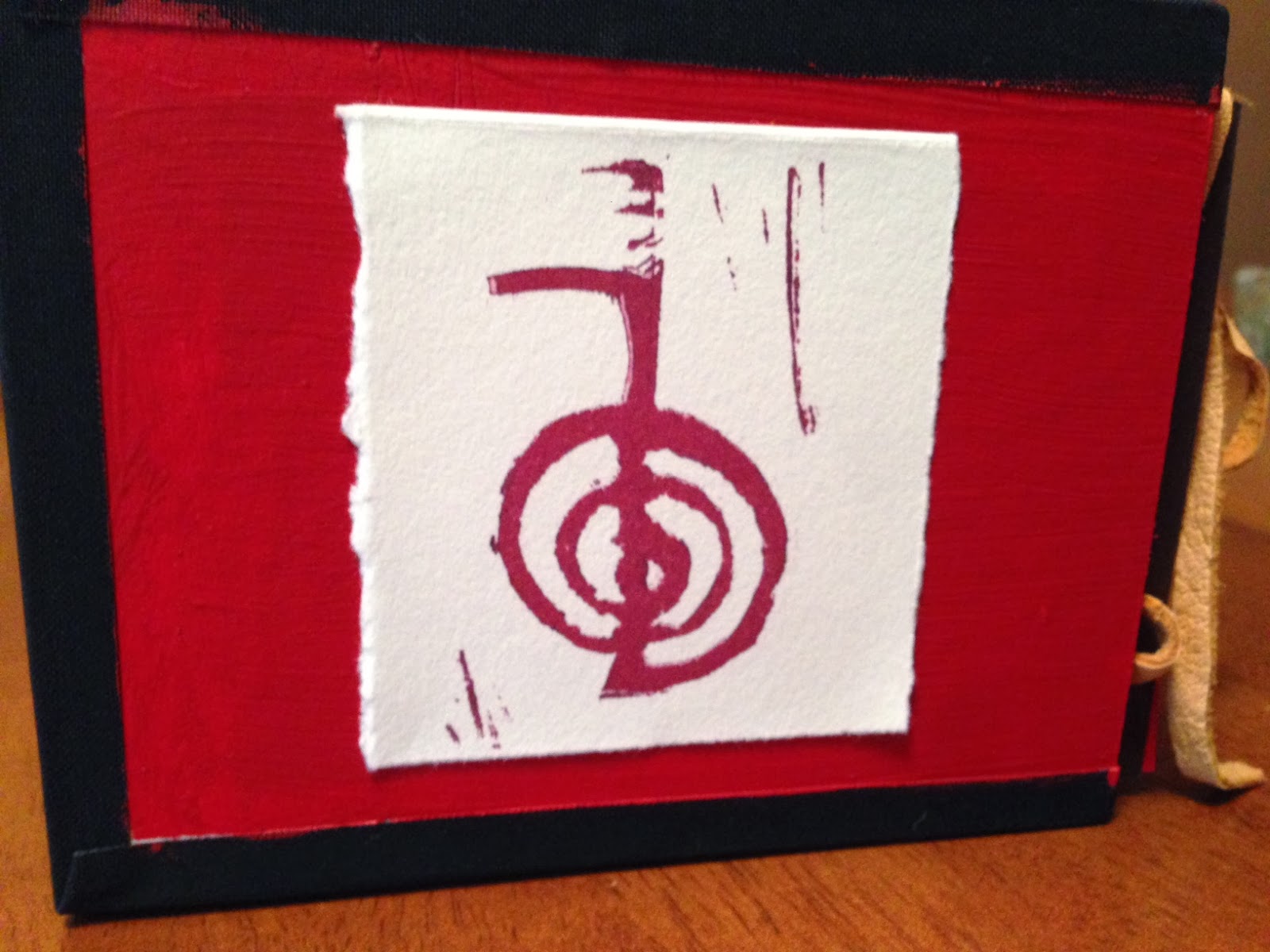
Too often, these words don’t find an outlet. Instead I spin and dither. I find other ways to expend the energy inside, activities that seem less arduous than sitting down and grinding out sentences. This week, for example, I’ve set up the art table and started making things: prayer flags with my own twist and boxes to put the prayer flags in. I love making these boxes—I’ve been making books (books is a broad term, in book making, just about any form of art with words) for a number of years, and now for every book I make, I create a box in which to stow it. The timing is good, for making things. I can justify my projects as Christmas presents. These projects are my safety valve, the overflow, where the dangerous steam can spill without harming anything. Still, it is not writing.
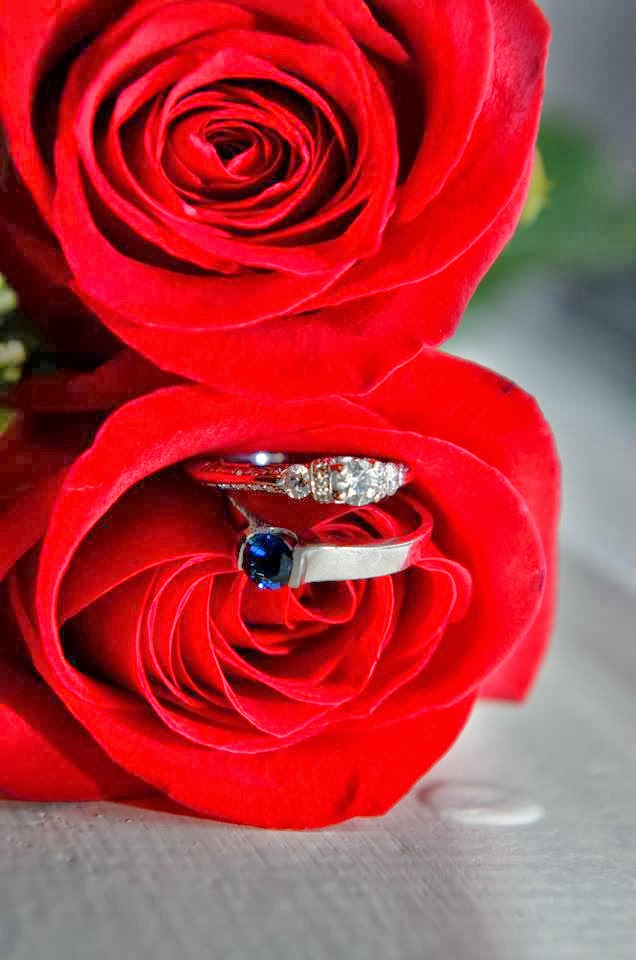
And it’s not like I don’t have things to write about. I got married this weekend. I feel like I should be writing something about that.  We had a small and lovely ceremony with our daughters and good friends in attendance. My longtime friend Laura officiated, my friend and writing buddy Jolene took pictures (she’s good, check out her page). Our vows reflected the tenure of our relationship, sturdy vows, hard won truths reflecting our accrued wisdom. Mature vows from which the dewy innocence has been shaken, vows with wonder and tenderness and love.
TLW (aka SugarMama) and I have  been together for more than thirteen years. We had a silly ceremony ten years ago, and became registered domestic partners about five years ago. None of that was enough in the end however, for me to retain my health insurance benefits with her company. I proposed to her last Christmas not long after Washington State enacted its same sex marriage law. And yes, we gays fought to get married so we could have benefits, but I felt a little irritated rushing our ceremony in to beat a deadline. We were caught between her company’s end of the year deadline and the one that comes in June of next year that says the state will roll our domestic partnership into a marriage if we don’t act first.
(Yes, we had a year to make plans and do the deed. We need not have rushed, but all excuses and reasons aside, that is what happened, so don’t judge me, Dear Reader, just read on, quietly and without comment).
Family: Anna, Nancy, Pam, Taylor
I’ve run out of words. So here are some photos instead and a copy of the poem I wrote for my wife (wow, my WIFE! There’s something I didn’t think I’d ever be saying in this lifetime, forever ending the dilemma of what to call her: significant other, TLW (always), partner, girl friend, spouse, better half, my uhm friend special friend, the boss, etc).
Our rings–mine is the sapphire.
Shout out to Jolene Hanson, photographer
Nancy, You are my anchor

The harbor in the sea

The home from which I can journey
The door that will always be open
I rise and when I fall
You lift me up
Our bodies entwine
Rising up from our bellies
I’ve held my breath all these years
And now with you
I can exhale
I offer you myself
A safe harbor in the sea
A home with heart and fire
A door that is always open
When you rise I will cheer
Hitched! At last.
And if you fall, I lift you up
Our bodies entwine and
Rise up from our bellies
We breathe in as one
And now that we are home together
I can exhale
The circle of this ring continues forever,

As does my love for you.    


My Distractions:


A TED Talk a Day to Keep the Doctor At Bay

I’ve been doing this thing lately—trying to find a new way to work daily exercise into my routine. I’ve had to give up running, at least for the time being, due to some heel and nerve issues (not plantar fasciitis—why does everyone want to diagnose me with PF?). I’ve had to come up with an exercise routine that won’t aggravate my heels and also work in the exercises my physical therapist has been giving me. It’s a damn good thing I don’t work outside of the home these days because all of this physical activity takes some serious time. And now that there’s more darkness during the day than light, and more rain than dry, I’ve been doing all this exercise indoors.
So, I’ve been riding my bicycle. Last Christmas The Little Woman gave me a bicycle trainer—it was the only thing I had asked for. All last year I used it exactly once, though the bicycle sat on it for the better part of the year, all dusty and neglected in a corner of the West Wing (that’s what we call our family room here at Casa Durberg). I preferred to slip into my running shoes and strap on my headlamp and go outside, rain or shine, for a run around the ‘hood. I did not care for sitting stationary on that bicycle seat.
But, my runner’s wings have been clipped, and I’d rather pedal fast going nowhere than give up my unhealthy eating habits. Since I don’t have an income and am relying on the generosity of TLW for the time being, I can’t afford bigger pants. To keep striving toward that elusive girlish figure, I’ve been riding my bike every morning for the past couple of weeks (hey, I know, not exactly a trend but it’s a start).
Last winter when we set up the trainer, we also mounted a smallish television to the wall so I’d have something to look at while I pedaled. But the thought of watching the inane morning talk shows during my workout made my skin crawl. I am not a big tv fan (ok, Breaking Bad, Scandal, Orange is the New Black—I’ll cop to loving these shows, but I’m all caught up on them and the tv in the WW doesn’t have On Demand anyway—nor does it have a DVD player). And the thought of pedaling through countless advertisements seemed counter productive. Nothing makes time slow down more than a series of ads for drugs to take care of erectile dysfunction, GERD, or that new pharma darling, Low T.
I wanted my 45 minutes to fly by, ad-free. I wanted to be enraptured rather than disgusted by what I was watching. I wanted to be so carried away in my viewing that I would not even notice the clock or the miles, or how freaking boring it is to pedal in one place. (On the upside, I never have to turn around and ride back.) 
I decided I’d watch TED Talks as I pedaled. I love TED Talks (yes, I know, I know, it’s recently become fashionable to dis them. Still.) I have been riveted by Brene Brown and Esther Perel in the past. It’s a win-win—I can exercise and learn something. I can sweat and be inspired. 
My plan required a small reconfiguration of the WW—the purchase of a new media cabinet so I could bring together the TV, the PC, the speakers, and the receiver (and our Sirius Radio). And I’m very proud of myself for hooking it all up and making it all work together without having to spend more than $3.00 on any new technology.
So that’s what I’ve been doing–pulling on my padded bike shorts and riding gloves each morning, firing up a new TED Talk, and hopping on my bicycle trainer while being regaled with all sorts of fascinating information.  I started with Elizabeth Gilbert and her talk on elusive genius. Then I watched Amy Tan on creativity. I’ve been riding my way through a TED playlist called Spoken Word Fireworks
This morning I tuned in to catch up on the local Bellingham TEDx talks that I wasn’t able to see live streamed last Tuesday. I was floored by Naseem Rakha’s inspirational talk about living with our arms wide open and by Robbyn Peters Bennett’s impassioned discussion on ending childhood spanking (find the Bellingham TEDx talks here—Robynn begins around 3:20 and Naseem’s talk begins at about the 3:40 mark).
The single most amazing thing about TED talks is that no matter what I watch, I’m always inspired. I did not think I would love a talk about ending spanking, but I did. Who among us wasn’t spanked as a child? There is always something to learn—about our world, our lives, our dreams, our fears, our successes, and our failures.
Dear Reader, what TED talks should I watch next? Which ones will keep me riveted to my bicycle seat and make the minutes fly by? Which ones will make my jaw drop and teach me something new? What TED talks have changed your life or given you new perspective?

Coming Out. Again and again and again

It’s fitting that National Coming Out Day should fall during Mental Health Awareness Week. The two are inextricably linked.

We wore our cowgirl outfits to the wedding, after all the invitation had said country chic and it was being held outdoors in Jackson Hole, Wyoming with the reception to follow in a barn. Me: black cowgirl hat, pointy-toed boots, Western shirt with pearl snaps, bedazzled cowgirl jeans. The Little Woman: ruffled skirt, black cowgirl boots, black Western shirt with longhorns on the shoulders, pearl snaps. We had road-tripped down in our Jeep, all 1600 miles or so, through eastern Washington, eastern Oregon, Idaho, Wyoming. We were excited to see the family, to celebrate with my cousin Brad and his soon-to-be wife Megan.

TLW grabbed my hand when we got out of the Jeep and waited for my brother and his family and my father and his wife to debark from their vehicles and join us as we walked to the front of the (very upscale) barn. I let Nancy hold my hand then, but I could feel that familiar uneasiness creeping in the closer we got to the venue, and when I didn’t immediately see anyone we knew (i.e. members of the family) or anyone else so duded up, I pulled away and dropped her hand.

“So that’s how it’s going to be,” she said. “Really?”

At that moment, self-preservation trumped self awareness. I pretended not to hear and walked a little bit ahead, suddenly flooded with shame and hoping that either the ground would swallow me whole or that a whole posse of cowgirl lesbians might be waiting for us just around the corner. Of course neither happened. Around the corner waited only straight (as far as I could tell) normally attired wedding attendees—maybe a bit more casual than normal wedding attendees, but still, straight, suit jackets, dresses, the occasional cowboy boot. I wanted nothing more than to turn heel and run, to safety, to the familiar, to someone I’ve never been nor will ever be: a taller, thinner, more feminine, more socially acceptable me.It did not matter one whit in that moment that I was surrounded by people who loved and accepted me. It did not matter in that moment of panic that my brother was also wearing a cowboy shirt and cowboy boots and jeans and a cowboy hat. It didn’t matter that I had come out to my family years ago and that TLW and I were as accepted and loved and as much a family unit within the extended family as my straight cousins and aunts and uncles. All that mattered to me was my obvious otherness.

I did not flee. Even when I realized we were 45 minutes early and would have to mingle and make small talk or stand awkwardly with each other and sip the lavender water. I silently cursed the lack of pre-ceremony alcohol and our obsessive punctuality. I talked myself down from that internal ledge and tried to see us as others might. I tried to look at the individuals in the crowd and not at the crowd itself. I feigned interest in the barn and the surrounding grounds, and I eagerly greeted familiar faces as they trickled in. I reminded myself that I was 50 years old, goddammit and beyond (hahahaha) caring what other people thought of me and my life choices. I berated myself into behaving as if I actually believed that.

Eventually, I talked to enough people, had enough wine, ate enough dinner, spent enough time to re-inhabit my body. No one laughed at me. No one made fun of me for being a lesbian. In fact, just the opposite happened. I relaxed and opened up, and TLW and I danced. We danced together, alone, with strangers on the dance floor, and as we danced a funny thing happened: acceptance.

The wedding invitations had included RSVP cards to mail back. Each card asked for a song request, what song would we like them to play at the reception? TLW told me to put down “Same Love” by Macklemore. I seriously doubted that our song would get played—partly because it’s really not a dance song, partly because it’s gay. But wouldn’t you know it—about three quarters of the way through the evening, I heard those notes, grabbed TLW’s hand and pulled her onto the dance floor as I whooped and waved my hands in the air. We were the first ones out there, but not for long. My cousin wrapped us in a huge embrace and thanked us for coming. Strangers and relatives alike joined us on the dance floor in what felt like an enormous celebration of love. Period.

I wish I could bottle the feeling I had at the end of that night, wear it around my neck and sprinkle it over me before I walk into new situations, because coming out isn’t just a one time event. Coming out happens over and over and over again, every day, every week, every month.